After care workers and residents of retirement homes, the most vulnerable, and the over 75s, it is now the turn of the over 70s to be vaccinated in Luxembourg. At the end of 2020, when the national vaccination strategy was put in place, priority was given to the elderly because they were more exposed to the risks and serious consequences of the coronavirus, but also because of the limited number of vaccines available.
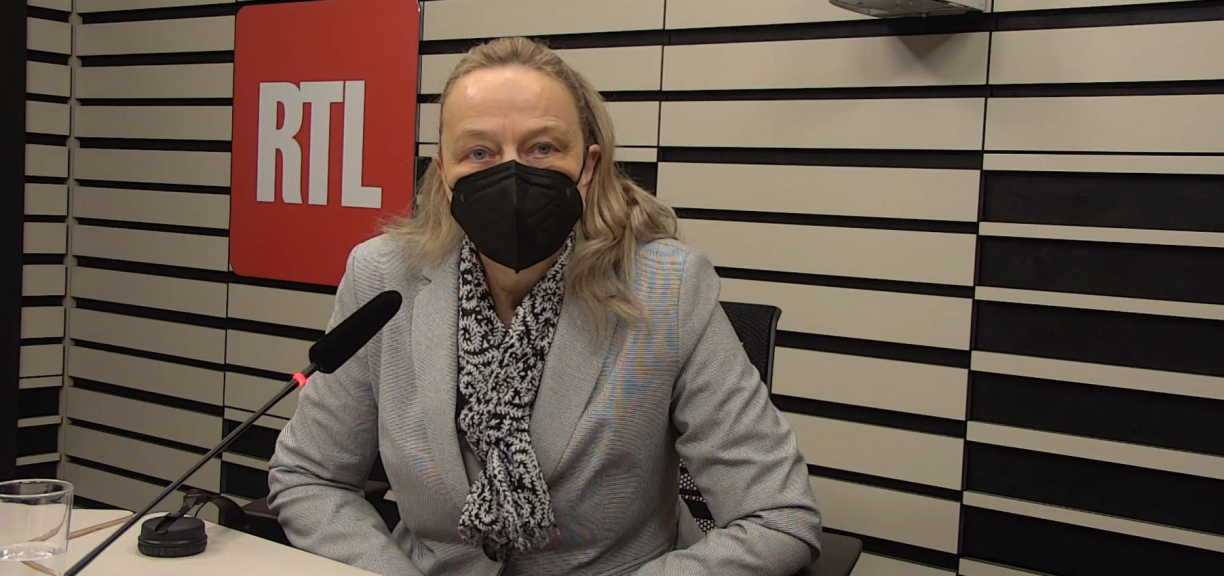
Julie-Suzanne Bausch, president of the National Ethics Commission (CNE), acknowledged during an interview on RTL Radio on Tuesday morning that while this made sense at the end of last year, the situation has now "completely changed" seeing as the virus is increasingly affecting younger people, adolescents, and even children.
As a result, "ethical oversight" is required, meaning that Luxembourg "must now, in view of the new conditions, open up vaccination to groups that are more mixed, that go to school, that go to work", according to Bausch. In her opinion, this should be done "not necessarily by group, but by function and exposure to the virus". The main condition for this strategy is that the vaccine deliveries come in as planned.
Bausch thinks that there is a "risk of a divide" between the elderly, who are prioritised regarding vaccinations and will be able to move around freely more quickly, and the others, who must continue to hold out and work and who will then have to bear the financial consequences of the crisis. "It's effectively a double penalty" for working people, the CNE president acknowledged.
In order to avoid the divide, Luxembourg must finally offer vaccines to the most exposed groups, "even if they are younger", as soon as there are enough vaccines to go around.
The CNE believes that it is still too early to talk about returning additional rights to the vaccinated. It would be "fundamentally unfair", Bausch explained, because not everyone has had the opportunity to be vaccinated yet. The openings must be "parallel and proportional to the availability of vaccines", otherwise it would be extremely unfair, in the eyes of the CNE president. Bausch did, however, also acknowledge that as of right now, Europe is "unfortunately" still experiencing a shortage of vaccines.
Compulsory vaccination is being discussed all over Europe, in the health sector, on the boards of nursing homes, in the trade unions, etc. Such an obligation to vaccinate should, if necessary, "be discussed democratically and cannot be done at the level of a hospital or a nursing home. It is very important that it goes through a democratic procedure", the CNE president stressed.